.TXT aims to improve how developers instruct large language models by offering tools that enable precise, structured programming. These tools enhance efficiency, allowing developers to achieve desired outputs while optimizing performance in the cloud. This approach also unlocks new applications, such as autonomous agents, by streamlining the Generative AI stack.
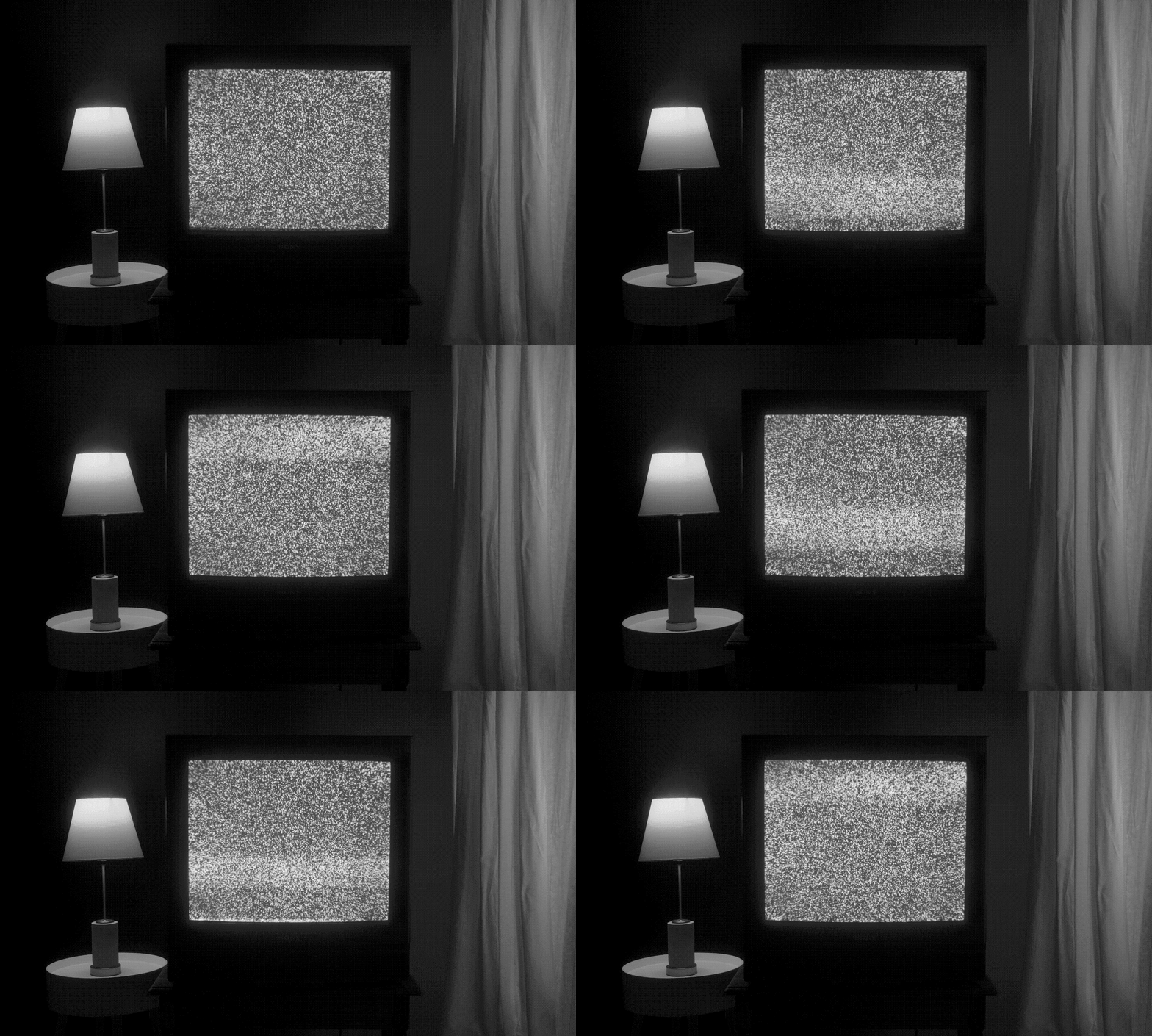
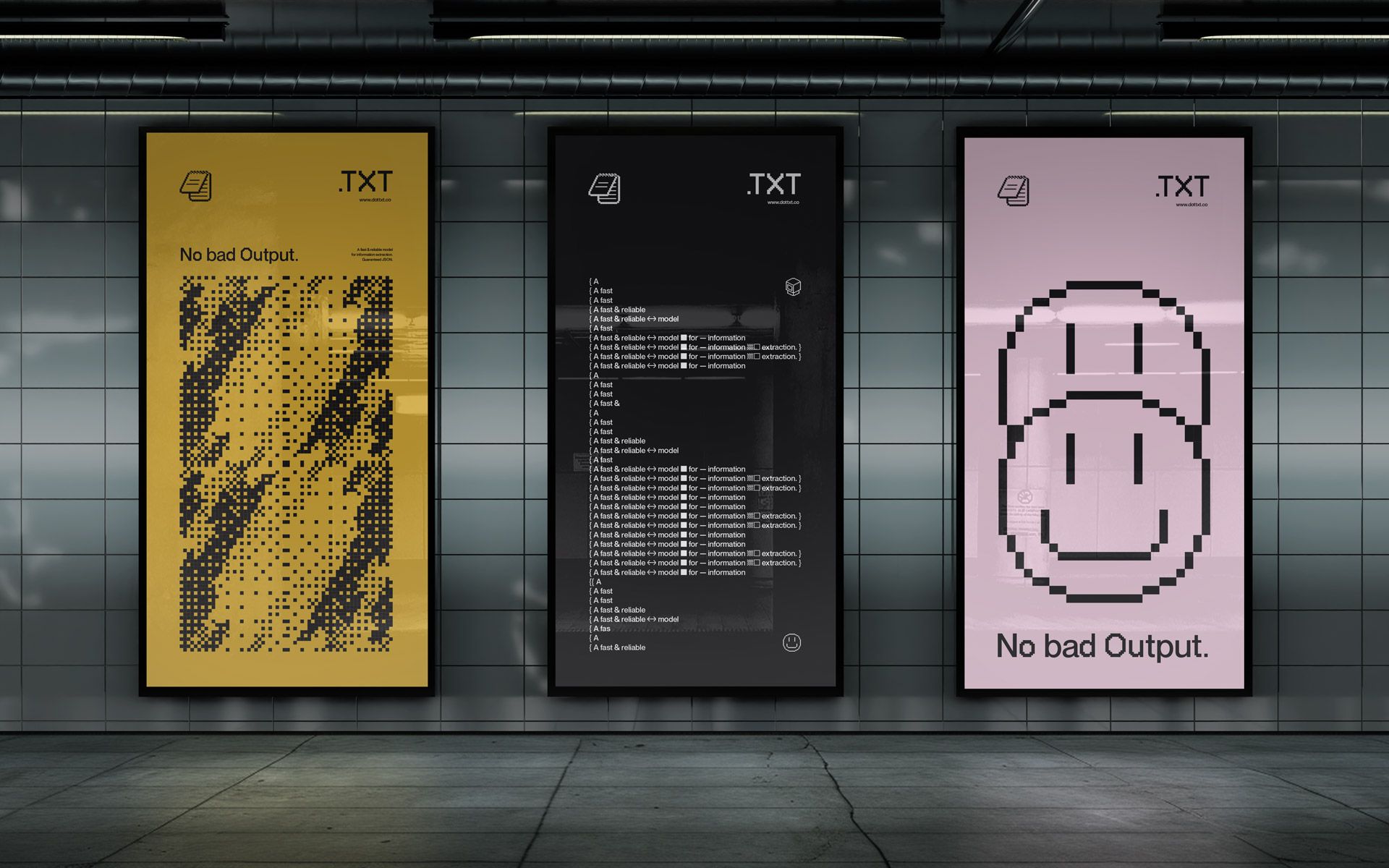
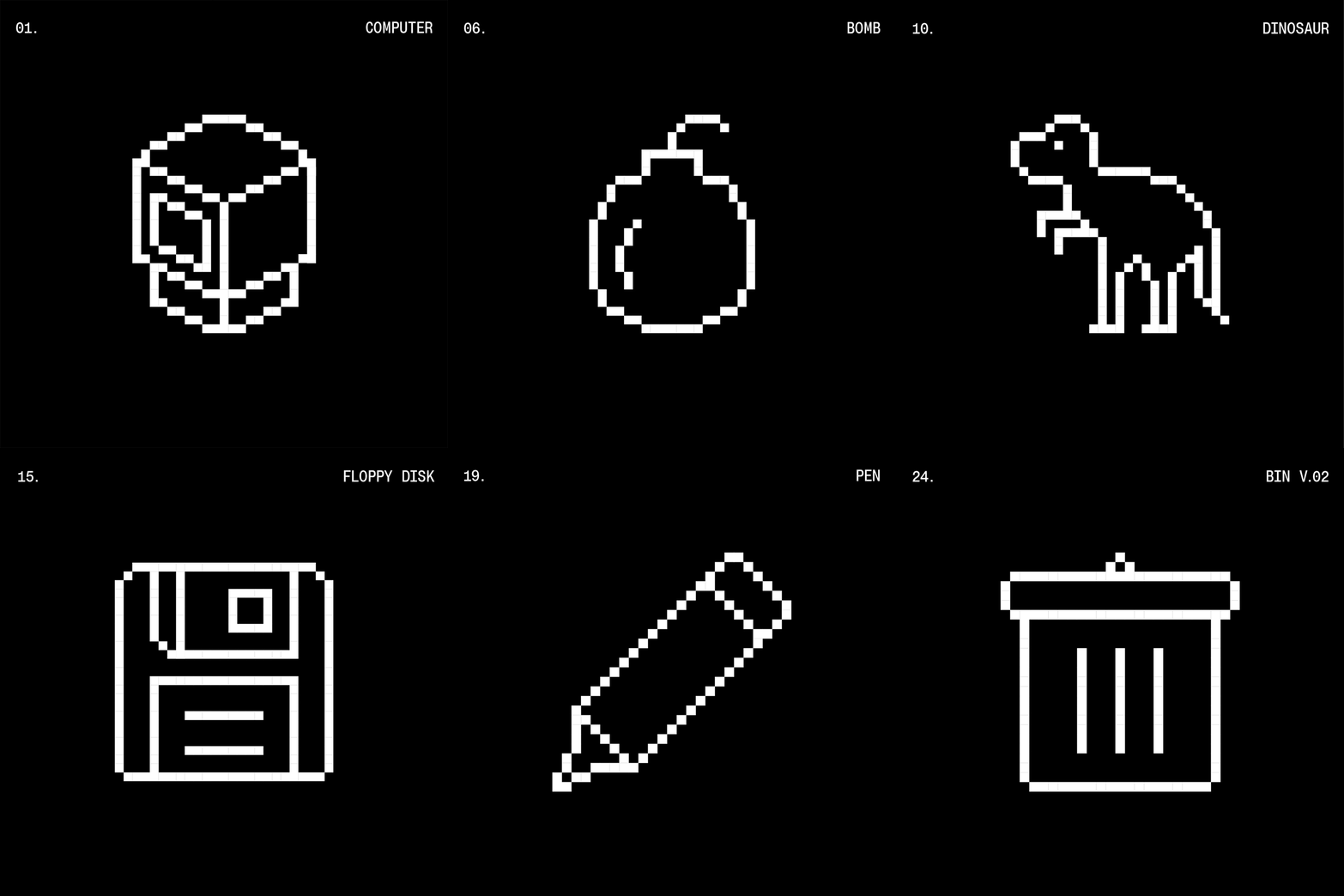
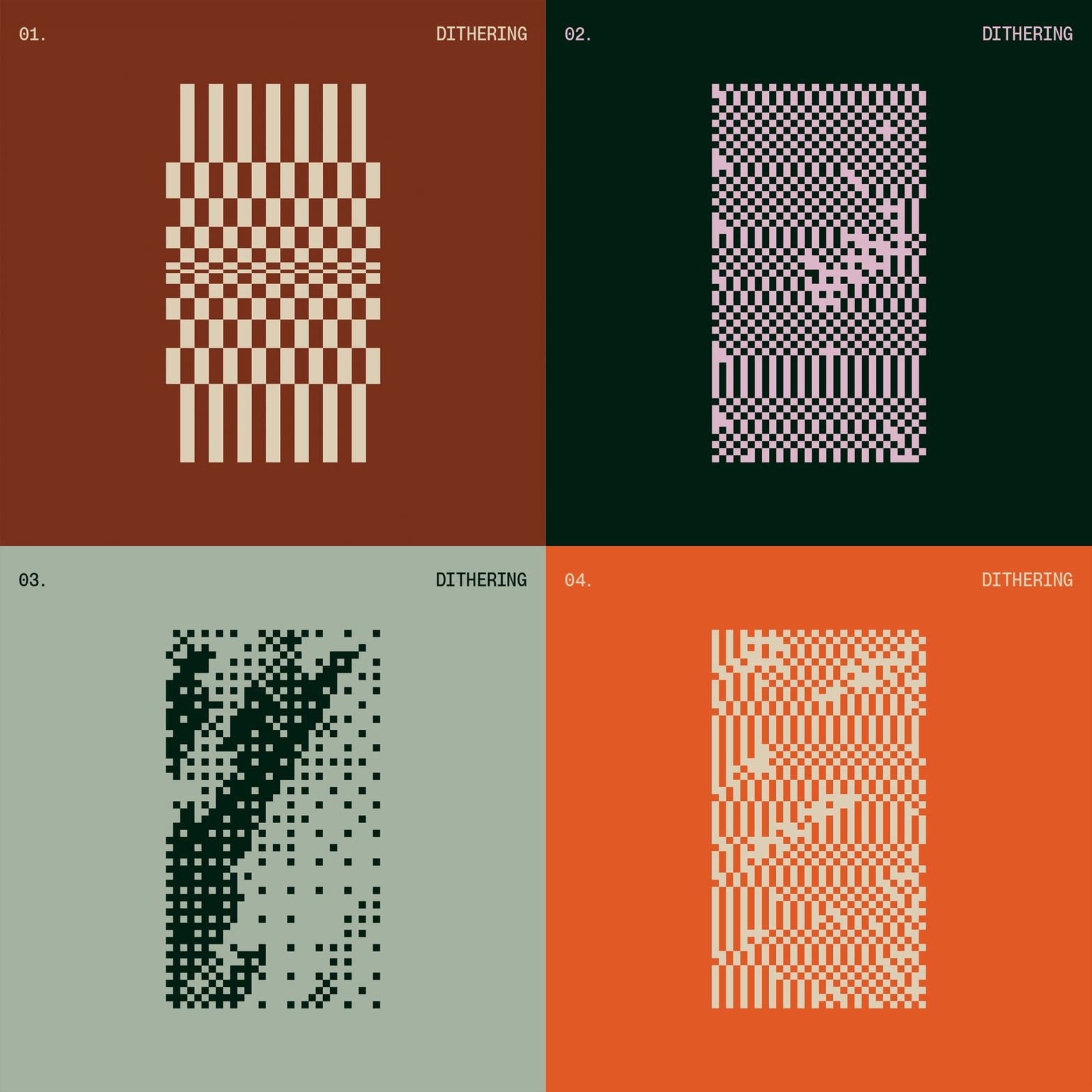
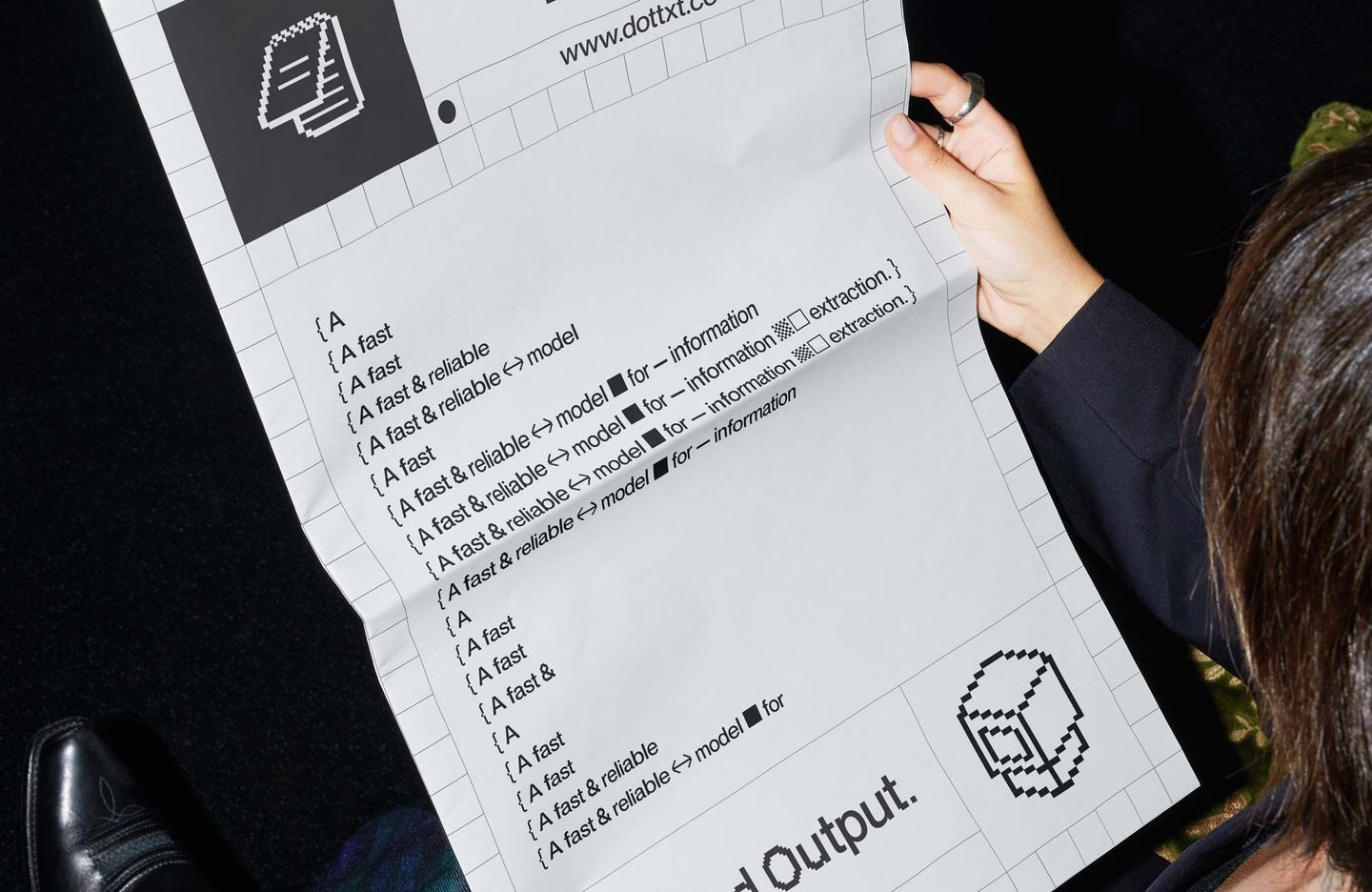
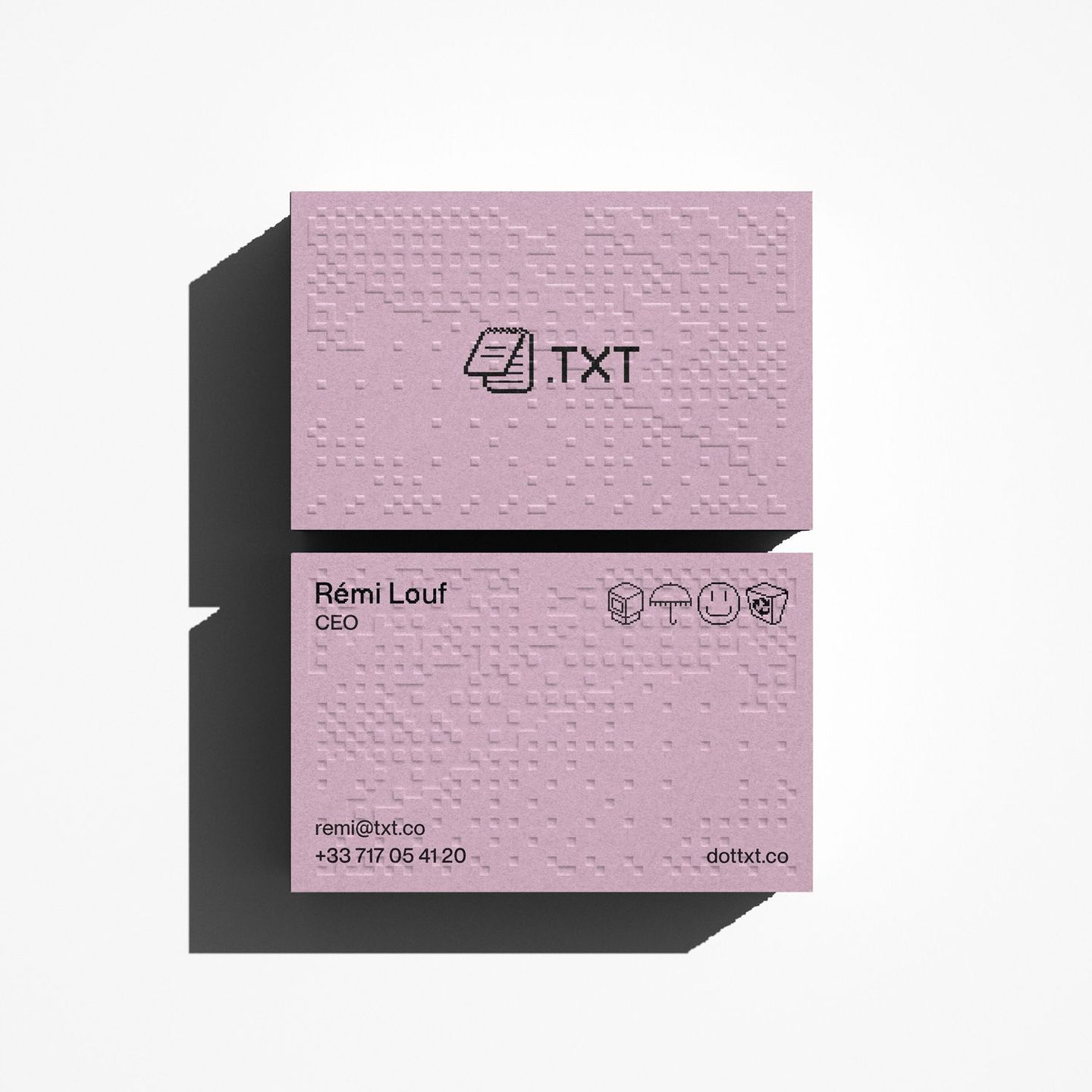
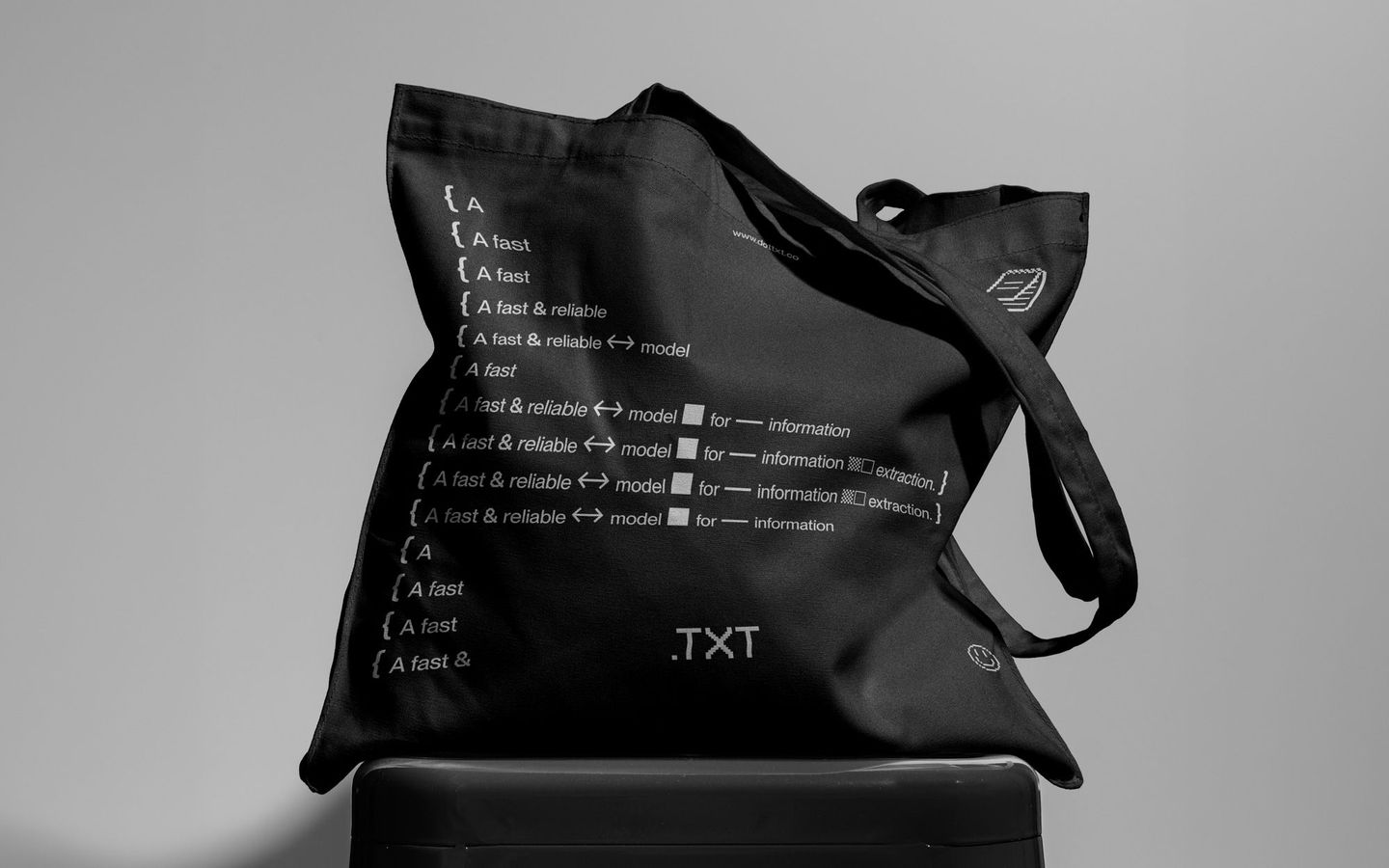
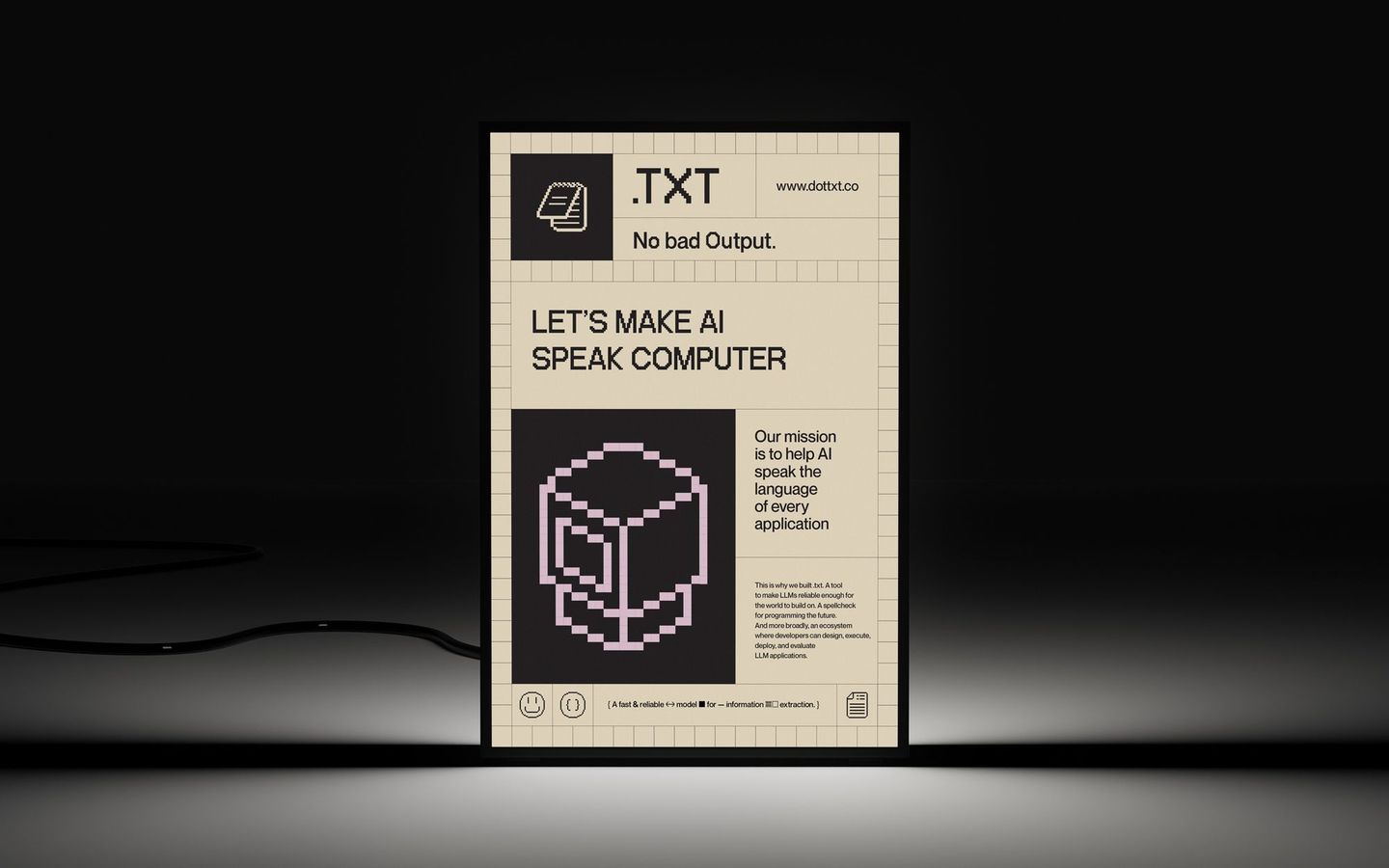
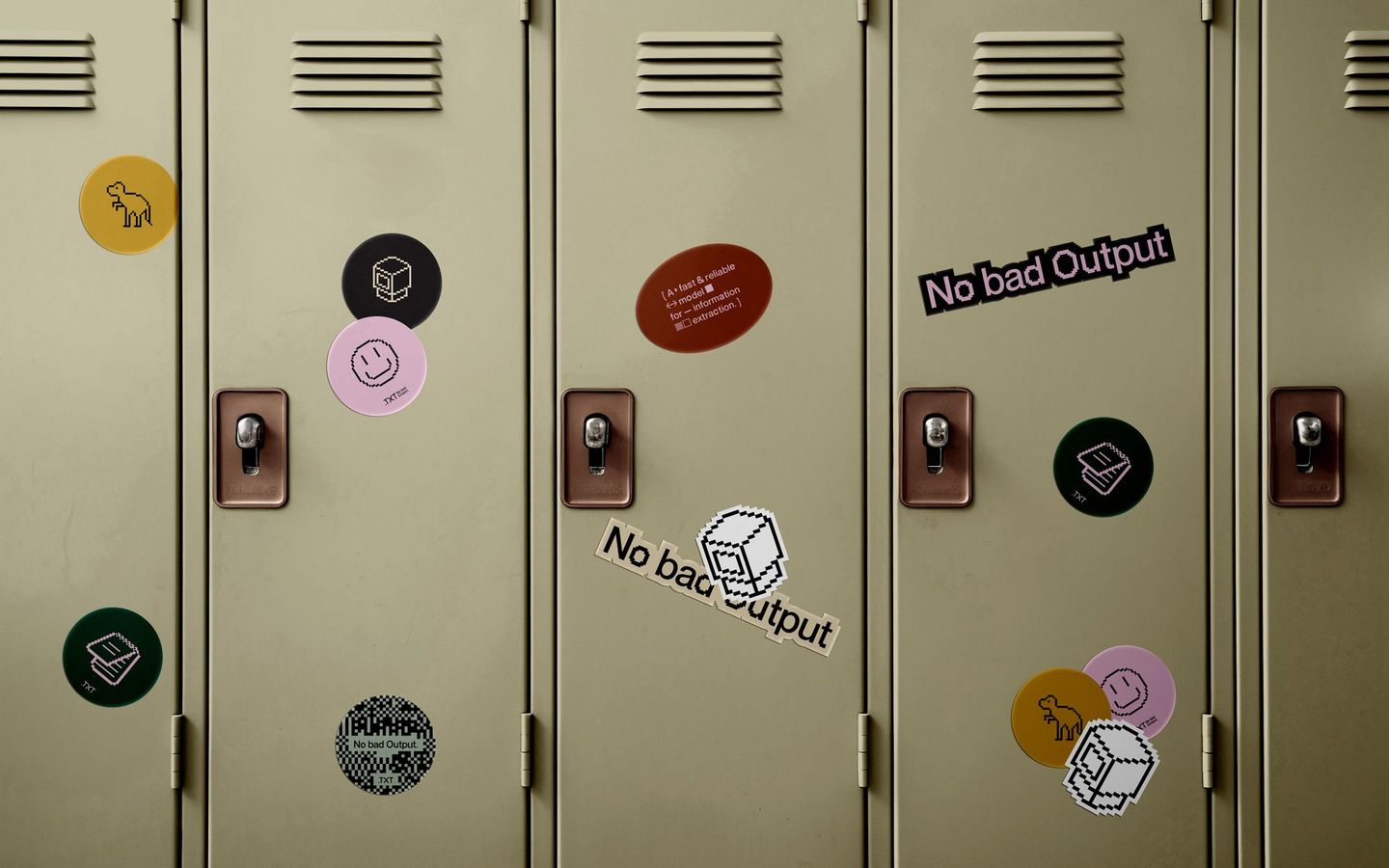
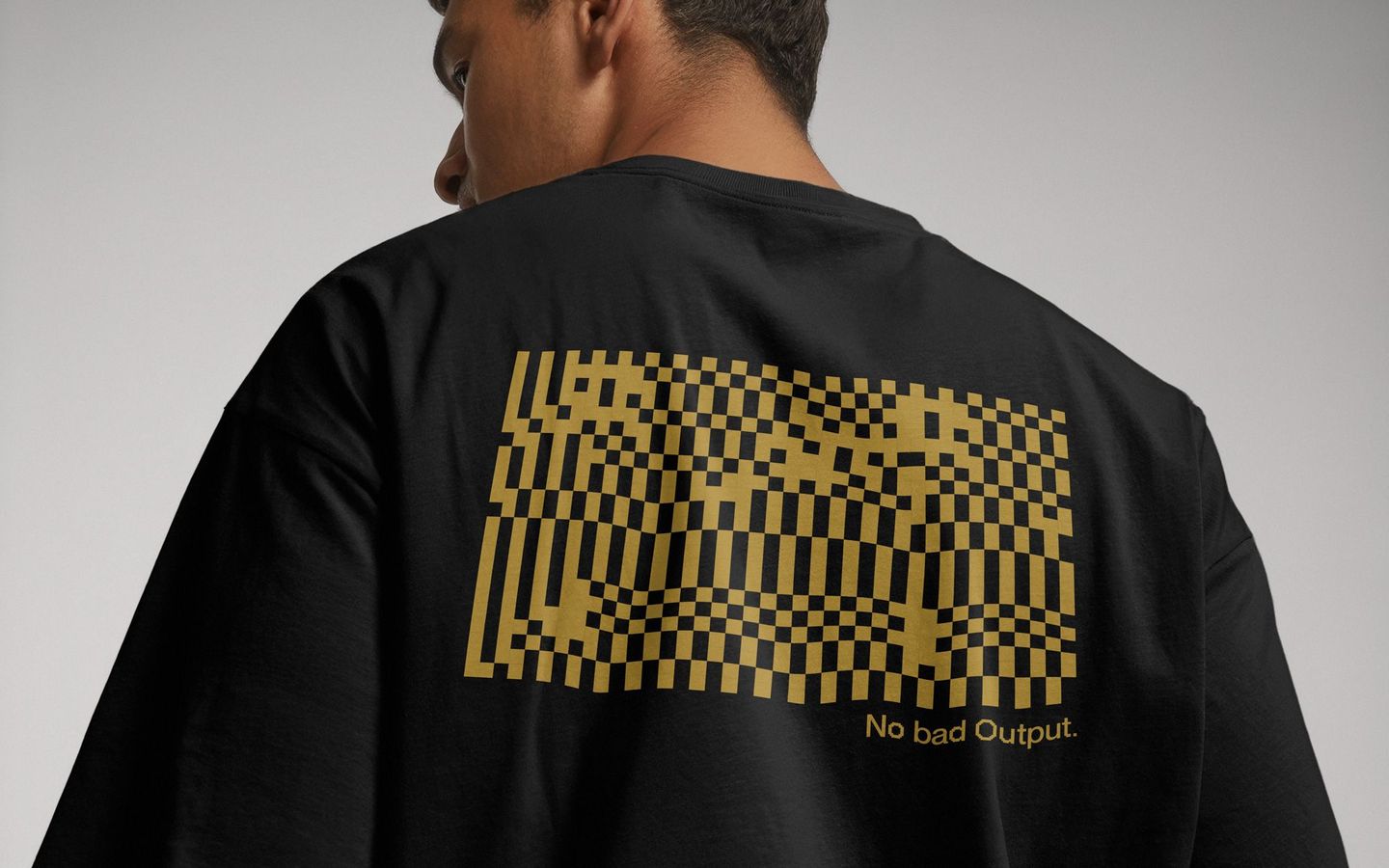
Rooted in the visual memory of the nineties, the graphic language draws from the raw textures of early screens, where pixels, static and dithering shaped a distinctly digital aesthetic. These references are reinterpreted through a collection of patterns and icons that extend the brand’s pixel based identity beyond the logo. Rather than simply recreating the past, they translate its visual codes into a contemporary system, one that moves naturally between physical and digital spaces. Used throughout compositions, these elements introduce texture, rhythm and character, creating a world that feels familiar yet renewed: the nineties, reissued.

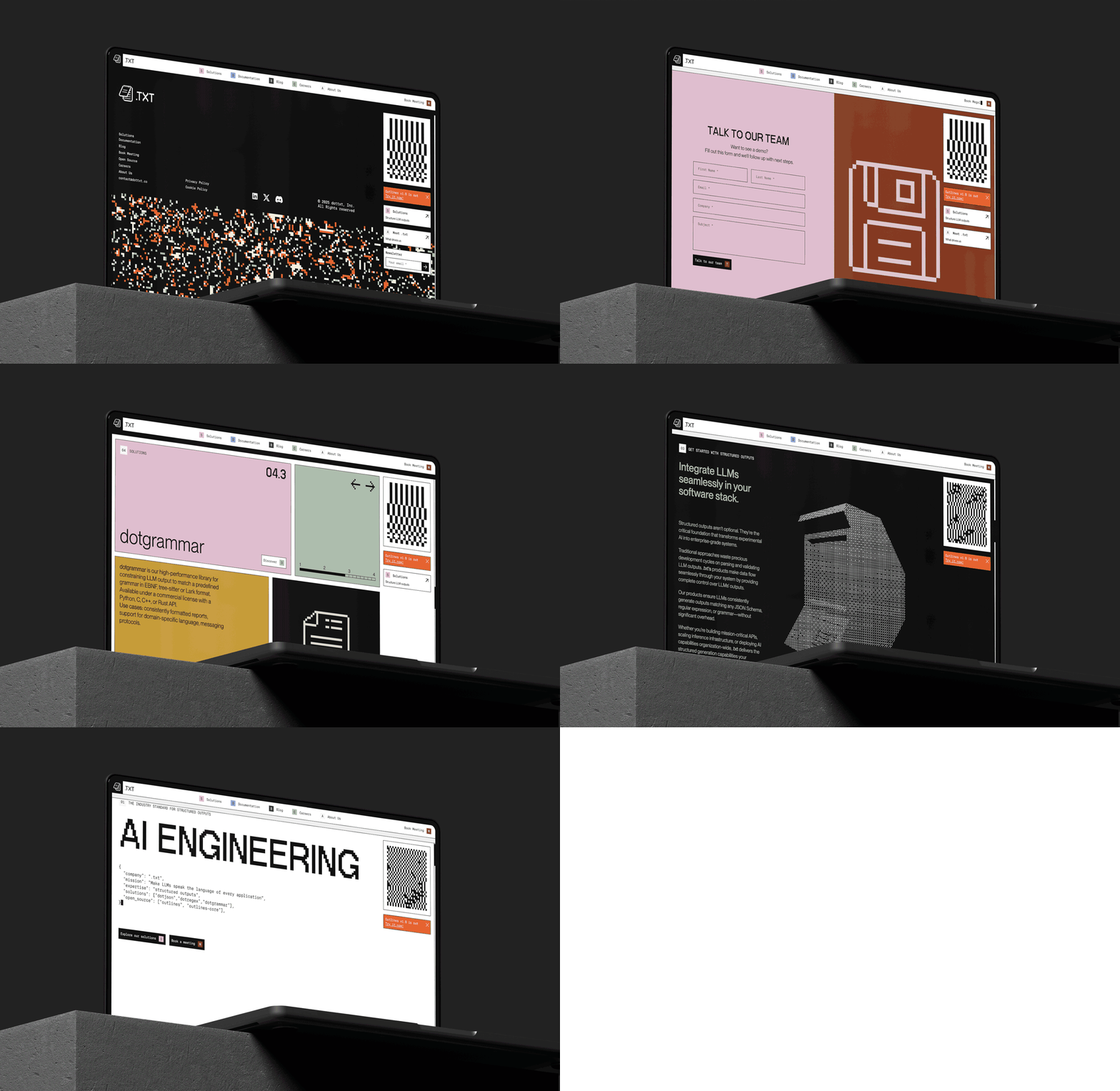
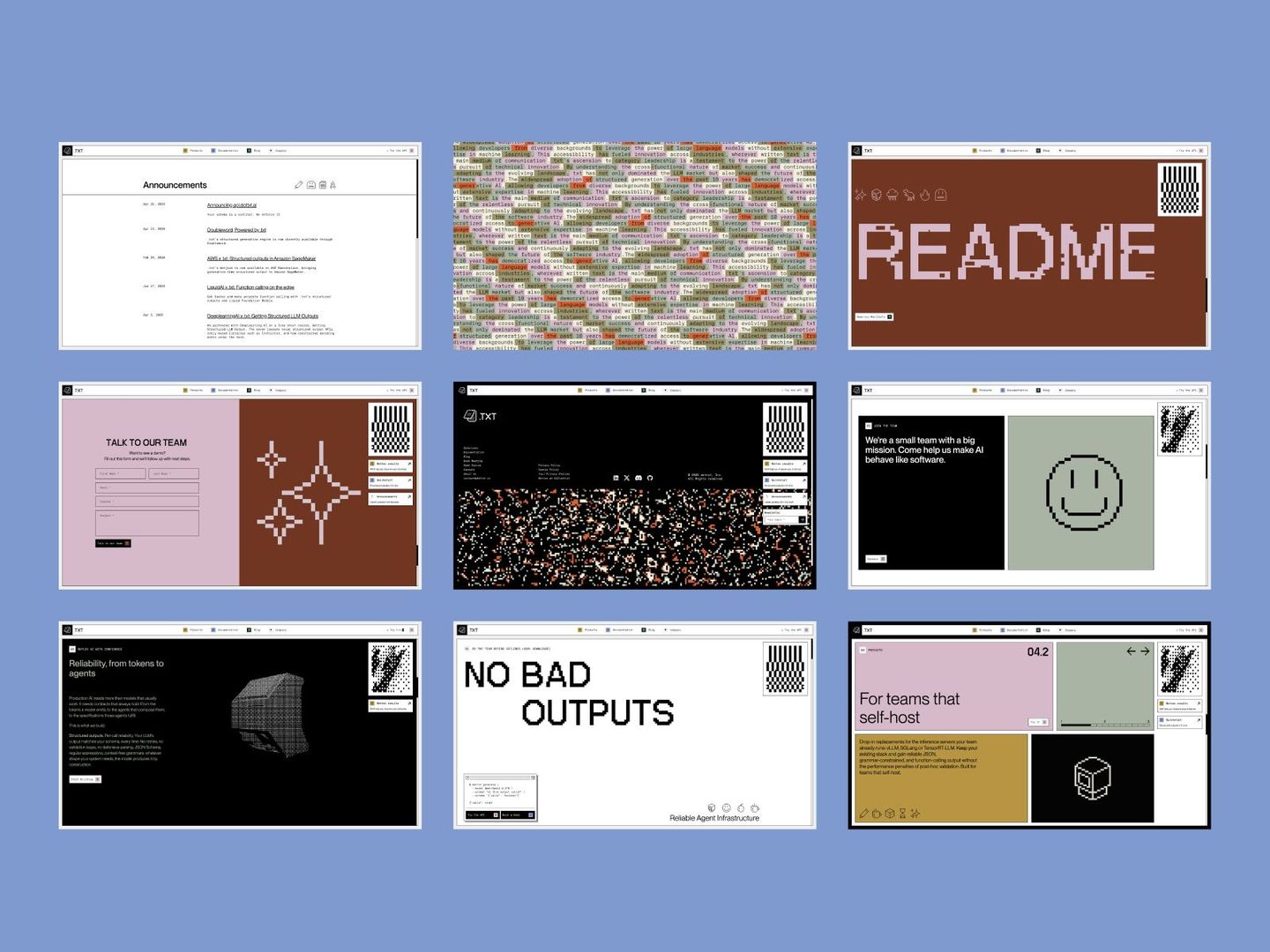
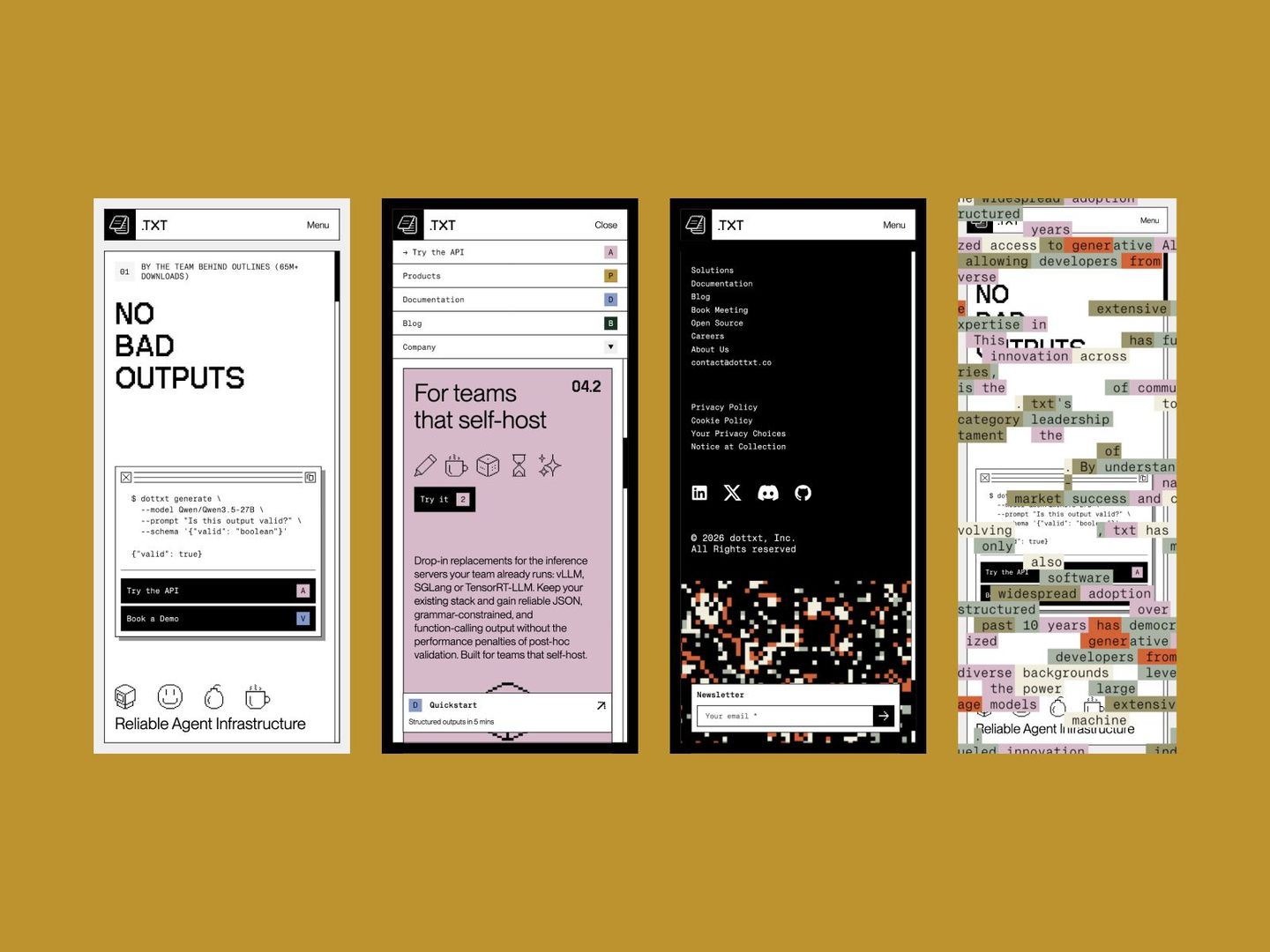
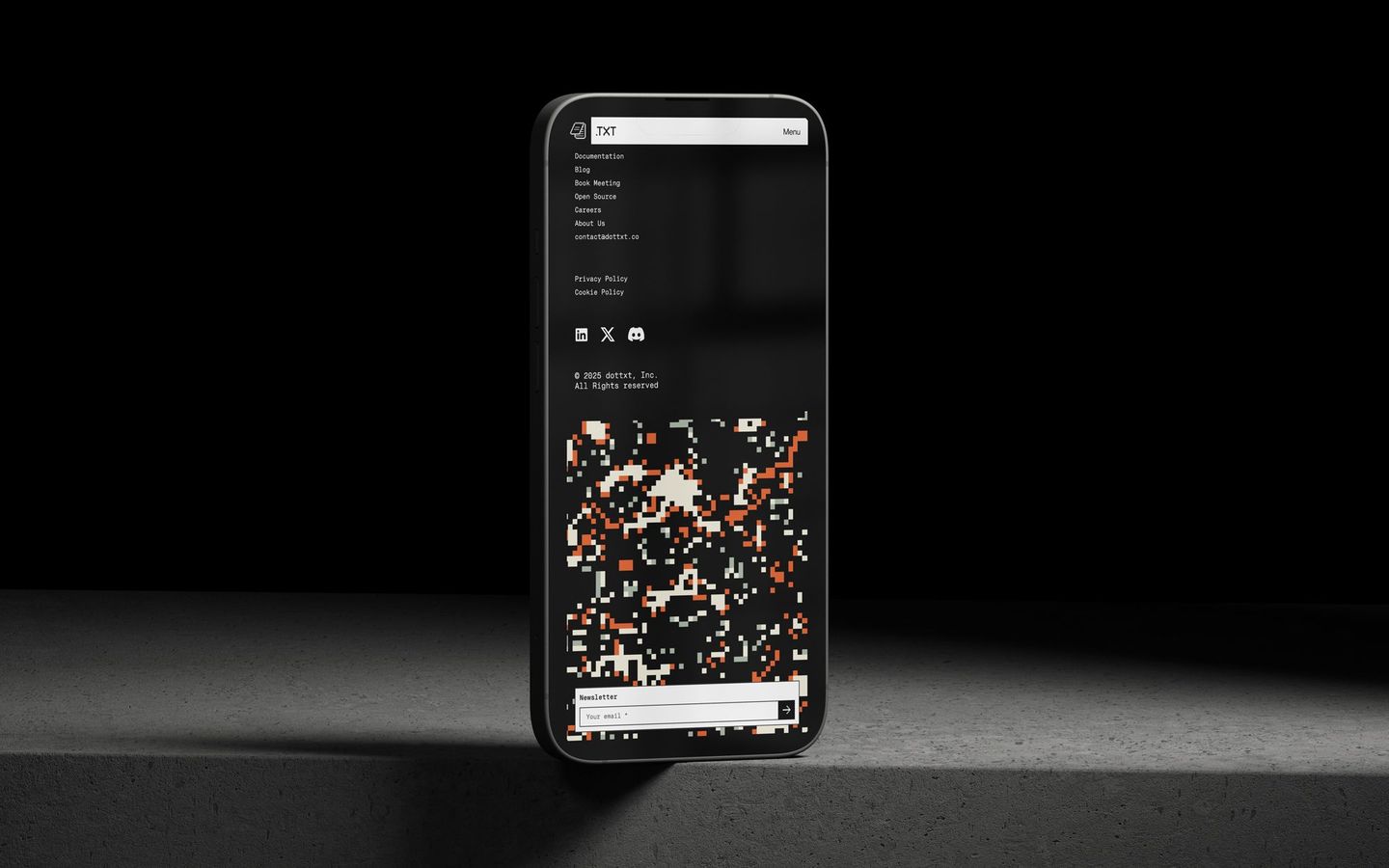
The website brings an AI company into the visual world of the nineties, reimagining the experience through retro terminals and keyboard driven interfaces. Keyboard cues and numbered chapters make navigation feel like moving through an old computer program. Chunky pixels, dithered typography, graphic patterns and classic computer windows bring personality to the experience. Rather than recreating the past, these elements reframe its visual codes for today, creating a digital world that feels like the nineties, reissued while staying true to the brand’s visual identity and values.